


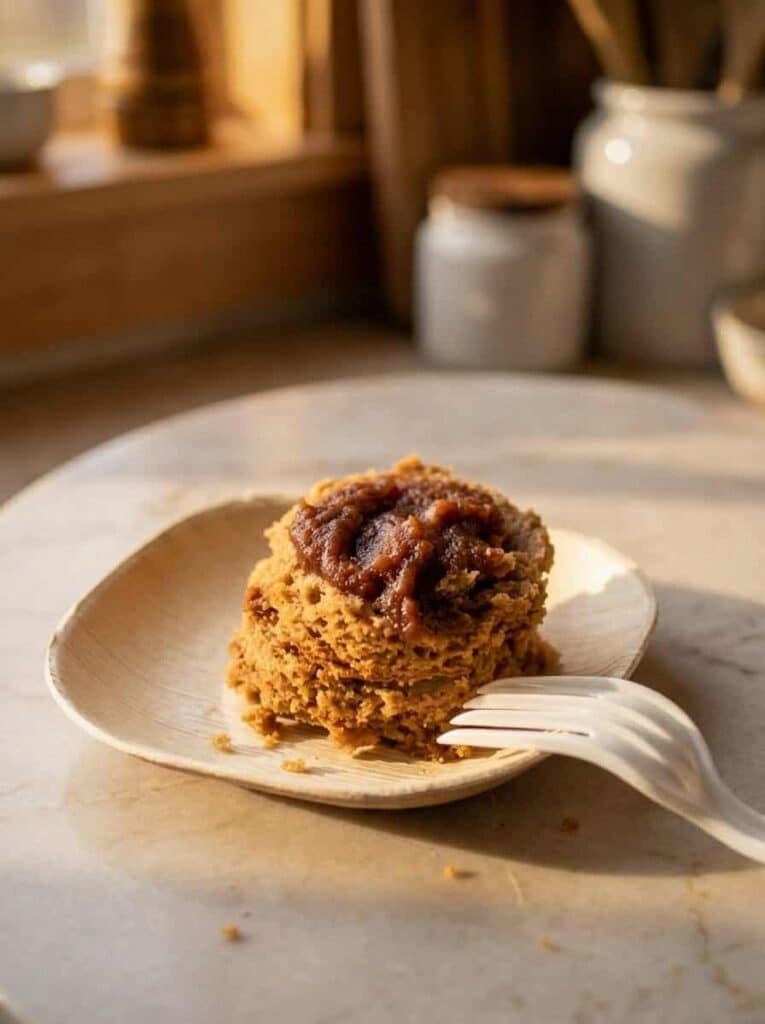

Half a bushel of apples, about twenty four pounds, cooked down over four and a half hours into four quarts of apple butter.
This is a project rather than a recipe, and the quantity is the point. It is worth doing when apples are cheap and plentiful.
Altitude changes the canning time
The recipe gives ten minutes in a boiling water canner for quart jars, which is correct at sea level and needs adjusting above it.
Apple butter is a high-acid food, so a boiling water bath is the right method here and no pressure canner is needed. What does change is the time, because water boils at a lower temperature as altitude increases.
Standard adjustments for a boiling water bath: add 5 minutes between 1,001 and 3,000 feet, 10 minutes between 3,001 and 6,000, 15 minutes between 6,001 and 8,000, and 20 minutes above that.
Check your own elevation before you start. The National Center for Home Food Preservation publishes the tested processes if you want to verify.
Only an inch of water in the pot
Roughly a cup to a cup and a half, depending on your stockpot.

Apples are mostly water and they release a great deal of it as they break down. The added inch is only there to stop them catching before they start releasing their own.
More water than that means a longer reduction later. Apple butter is thick because moisture has been driven off, and starting with extra just adds hours.
Uncooked and uncovered
Medium-low heat, uncovered, sixty to ninety minutes until very soft.
Uncovered is what lets the moisture escape. A lid traps steam and returns it to the pot, and you would be simmering rather than reducing.
Stir occasionally to stop the apples sticking. As they soften they settle and the layer against the pan is the one at risk.
The browning is expected
The recipe notes that the apples will brown as they oxidise and says this is okay.
That is right, and it is also what gives apple butter its colour. The deep brown of a finished batch comes from oxidation and from sugars caramelising over hours, not from any added ingredient.
A pale apple butter has not cooked long enough.
Taste before adding sugar
Three to four cups first, adjusting to taste, with up to two more later.
Apples vary enormously in sweetness depending on variety and season, and twenty four pounds of tart heirloom apples needs considerably more sugar than the same weight of sweet ones.
Adding it in stages rather than all at once is what lets you land it. Sugar cannot be removed.
Stir it in to dissolve fully and mash any remaining chunks at the same time.
Cinnamon candies rather than ground cinnamon
Eight to ten, to taste, which is an unusual choice and a traditional one in this style of recipe.
They bring cinnamon flavour plus sugar plus red colouring, and the colour is a large part of why they get used. Apple butter made with them comes out noticeably redder than one made with ground spice.
Ground cinnamon substitutes at roughly a tablespoon for the flavour, and you lose the colour.
One to two more hours to thicken
Simmering until it reaches the thickness you want.
The test is a spoon: drag one through and the trail should hold briefly rather than filling in immediately. Another version is a cold plate, where a spoonful should not weep liquid at the edges.
It thickens further as it cools, so stop slightly before the consistency you are aiming for.
Quarter inch headspace
Filled hot into sanitised quart jars, sealed fingertip tight, then ten minutes in the canner adjusted for altitude.
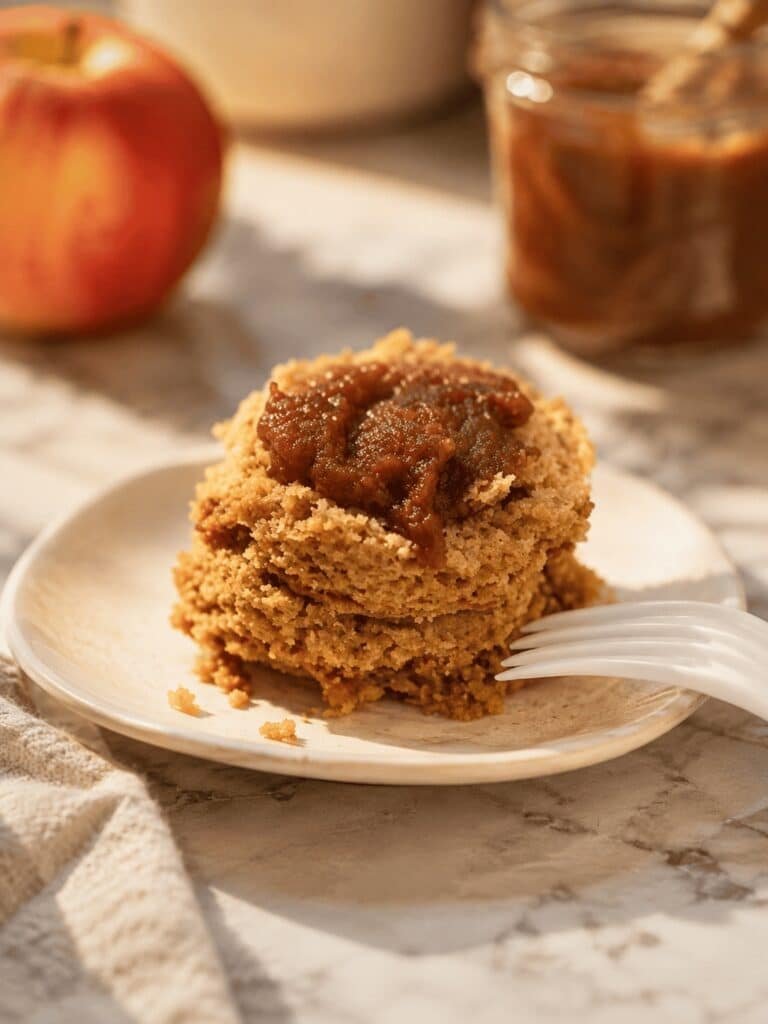
Fingertip tight means turned until you feel resistance and no further. Over-tightened rings stop air escaping during processing, which is how jars fail to seal.
Let them cool to room temperature undisturbed before checking the seals and storing.
Refrigerating instead
The recipe offers this and it is the simpler route if you are not set up for canning. <p>Cool to room temperature and refrigerate in jars. It keeps several weeks that way given the sugar content, and it freezes for months. ## Which apples Heirloom varieties often have more character than supermarket standards, some tart and some bitter-sharp. Albemarle Pippins and Arkansas Blacks are the ones the recipe names. Granny Smith works well and is widely available.
A mix is better than a single variety, since the differences balance each other.
Checking the seals
Once cool, press the centre of each lid. A sealed lid is concave and does not move. Any that flex have not sealed and should be refrigerated and used within a few weeks. Remove the rings before storing.
Apple Butter
Description
A large batch apple butter cooked slowly with sugar and cinnamon candies, suitable for canning or refrigerating.
Ingredients:
Instructions
-
Peel core and chop the apples into 1 to 2 inch pieces and transfer to a stockpot. Add about an inch of water, roughly 1 to 1 1/2 cups depending on the pot
-
Cook uncovered over medium-low heat until the apples are very soft, 60 to 90 minutes, stirring occasionally to prevent sticking. The apples will brown as they oxidise, which is expected
-
Taste the apples for sweetness. Add approximately 3 to 4 cups of sugar, adjusting to taste, stirring to dissolve and mashing any remaining chunks
-
Stir in the cinnamon candies to taste
-
Continue simmering until the apple butter reaches your desired thickness, 1 to 2 more hours. Add up to 2 cups more sugar if desired. It thickens further as it cools
-
To refrigerate: cool to room temperature and transfer to four quart jars
-
To can: transfer the hot apple butter to four sanitised quart jars leaving 1/4 inch headspace. Seal fingertip tight and process in a boiling water canner for 10 minutes at sea level, adding time for altitude. Cool to room temperature undisturbed before checking seals and storing.
Note
The source gives 10 minutes in a boiling water canner for quart jars, which is correct at sea level but needs altitude adjustment: add 5 minutes at 1,001 to 3,000 feet, 10 minutes at 3,001 to 6,000, 15 minutes at 6,001 to 8,000 and 20 minutes above that. Apple butter is high-acid so a boiling water bath is the correct method and no pressure canner is needed. Verify against the National Center for Home Food Preservation. Add only an inch of water to start, since apples release their own. Cook uncovered so moisture escapes. Browning as the apples oxidise is expected and gives the colour. Add sugar in stages and taste, since apple sweetness varies. Seal jars fingertip tight only. Refrigerating instead of canning is the simpler option and keeps several weeks.